
Common Monstera Types
The varieties of monstera which you can find everywhere and these are the best plants for Beginner’s.
Here are some types of common Monstera Plant :
- Monstera Deliciosa
- Monstera Adansonii
- Monstera Siltepecana
- Monstera Dubia
- Monstera Peru
- Monstera Acuminata
Monstera plants are popular for their eye catching leaves and climbing growth. Some form large splits while others have small holes, silver markings or thick textured leaves.
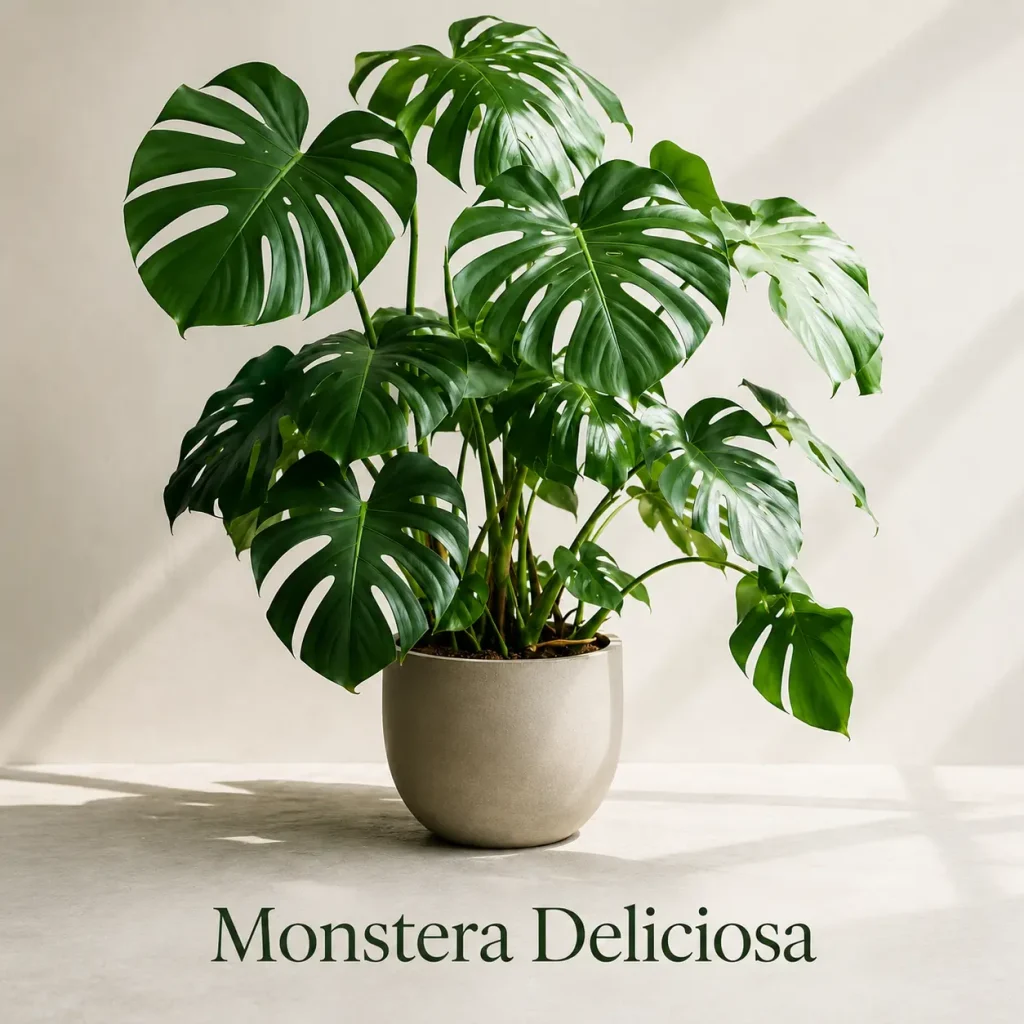

Monstera Deliciosa
Monstera deliciosa is the famous plant in mostly liked monstera. It is Beginners friendly. Mature leaves form natural holes and splits which is why it is often called the Swiss cheese plant. It requires a temperature 64 to 75°F for good growth. Young leaves are mostly heart shaped. New leaves may become larger as the plant gets older and receives good light.
It looks better in a large room because it can grow wide and tall. Also attach a moss pole or wooden support when it start becoming larger. Place it near a bright window with filtered sunlight and water when the upper soil feels. Check the soil by touching.
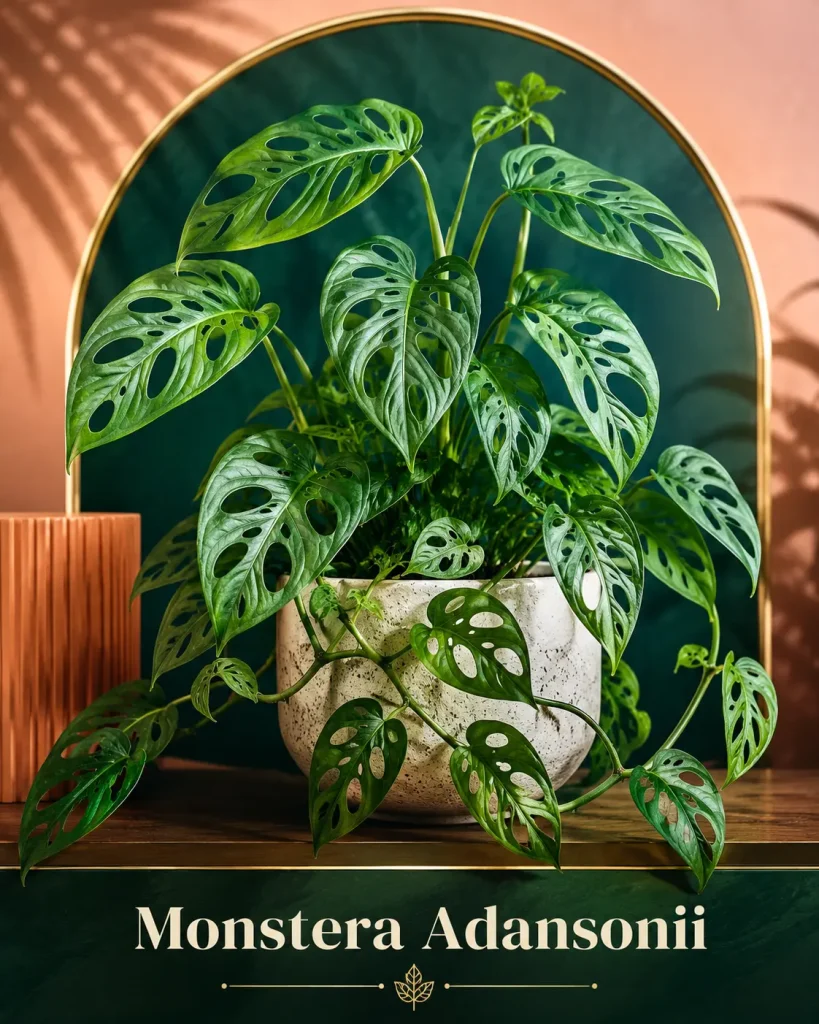
Monstera Adansonii
Monstera adansonii has smaller leaves. Its oval holes usually stay within the leaf while the outer edges remain whole. It is also called the Swiss cheese vine. It is a vine not a tree.This type of plant can trail from a basket, but it often grows larger leaves when trained up a pole. Kew Science accepts Monstera adansonii as a species found across parts of tropical America.Give it bright filtered light and loose soil. Water after the top layer starts to dry. Low light may cause long stems and small leaves while direct sunlight may damage its.
Best for hanging pots. Hanging it made house more beautiful or attractive.
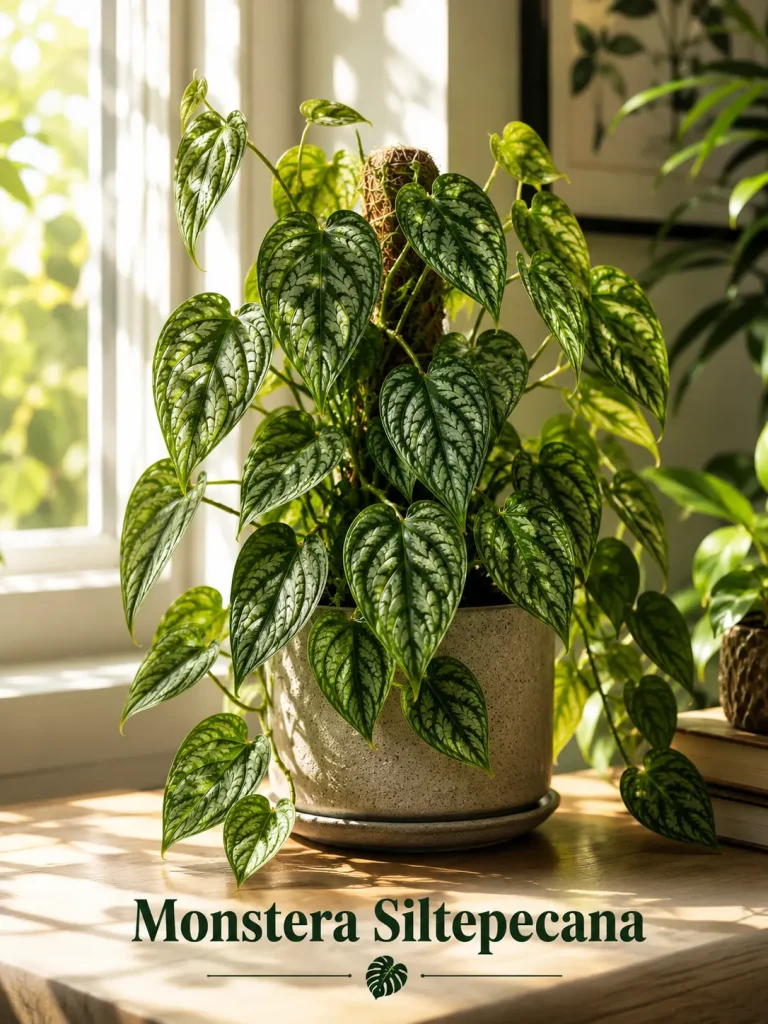
Monstera Siltepecana
Monstera siltepecana plants have narrow green leaves with silver or gray markings. When the plant climbs and become matures its leaves become larger and form holes.
Kew Science treats it as a separate species and notes that mature leaves can develop many openings.Moss pole or climbing board can help the vine grow upward or made its look attractive. Keep it in bright indirect light and use a draining soil mix. Let the top soil start drying before watering again. It start changing leaves as it grow.
Monstera Dubia
Monstera dubia is also known for shingling growth. Its large heart shaped leaves lie flat against tree trunks, or other upright surfaces. The leaves often have silver markings over a green base.Kew Science lists Monstera dubia as an accepted climbing species that grows from Mexico through parts of tropical America.Place Mature plant at the base of a rough wooden board so its aerial roots can attach. Give it filtered light, warmth and moderate humidity. Avoid pulling the vine away from the board this may affect it.Best for Wall boards.
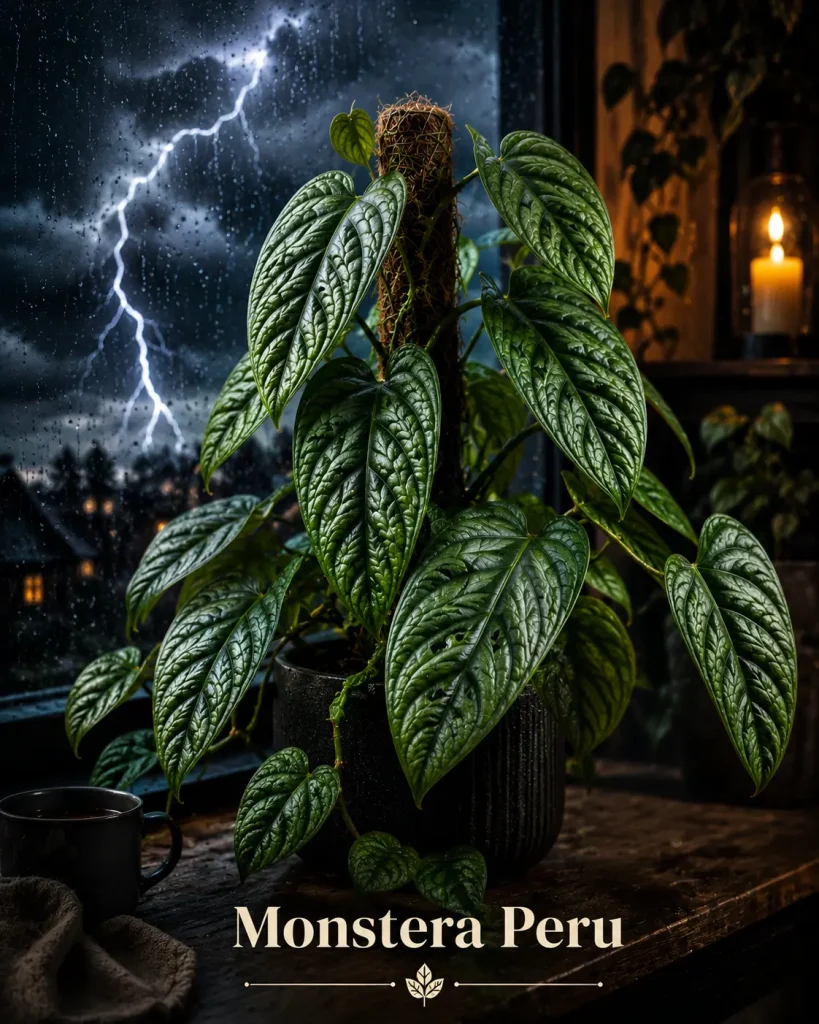
Monstera Peru
Monstera Peru has dark green leaves with a rippled surface. But like Monstera deliciosa and Monstera adansonii its leaves do not normally stay solid without large holes.Buyers may see several names on plant labels. Shops often use “Monstera Peru,” “Monstera sp. Peru” or “Monstera karstenianum.” Kew Science lists Monstera karstenianum as a synonym of Philodendron opacum while growers still sell the houseplant under the Monstera Peru trade name.Give it medium bright light. Let top two or three inches of soil dry before watering. Its thick leaves can manage short dry periods but wet soil may cause yellow leaves and root damage.
Best for thick leave lovers.
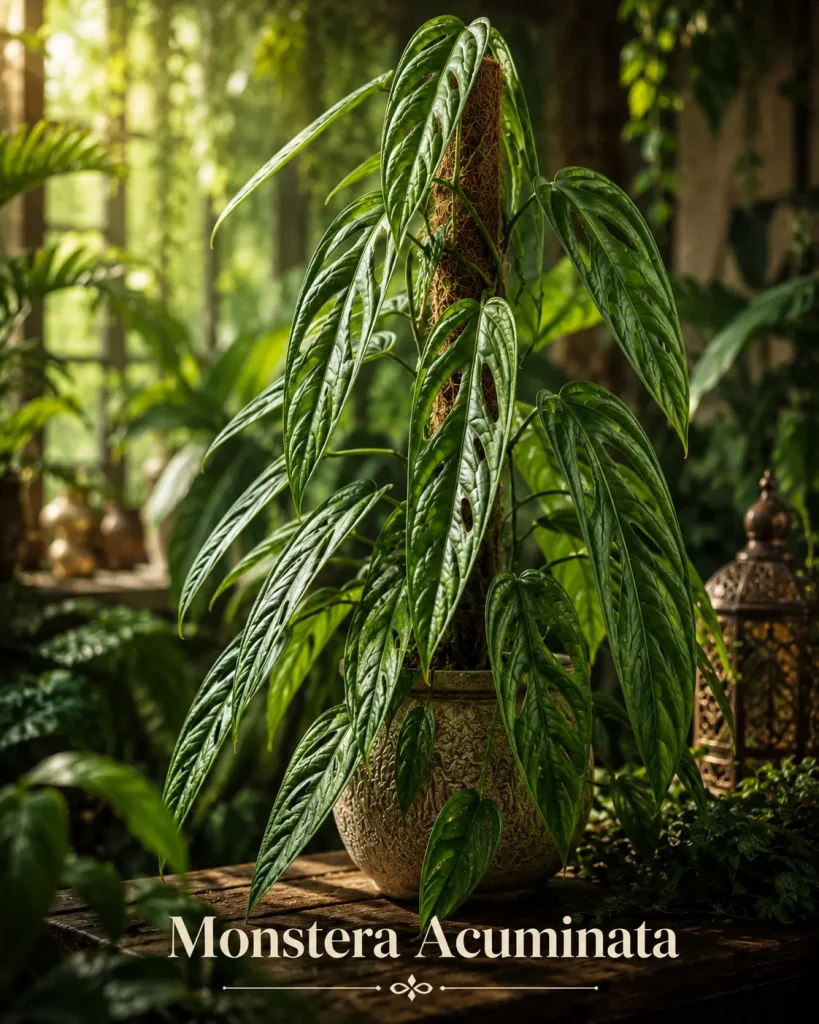
Monstera Acuminata
Monstera acuminata has long narrow leaves and climbing habit. Young leaves grow close to a support. Older plants can become much larger.Kew Science accepts it as a species native from Mexico to Central America. Plants in forest can climb high on tree trunks in wet tropical forests.Indoors use a tall pole, plank or trellis. Keep it warm and provide bright indirect light. An airy soil mix helps lower the risk of soggy roots. Best for less common plant collections.
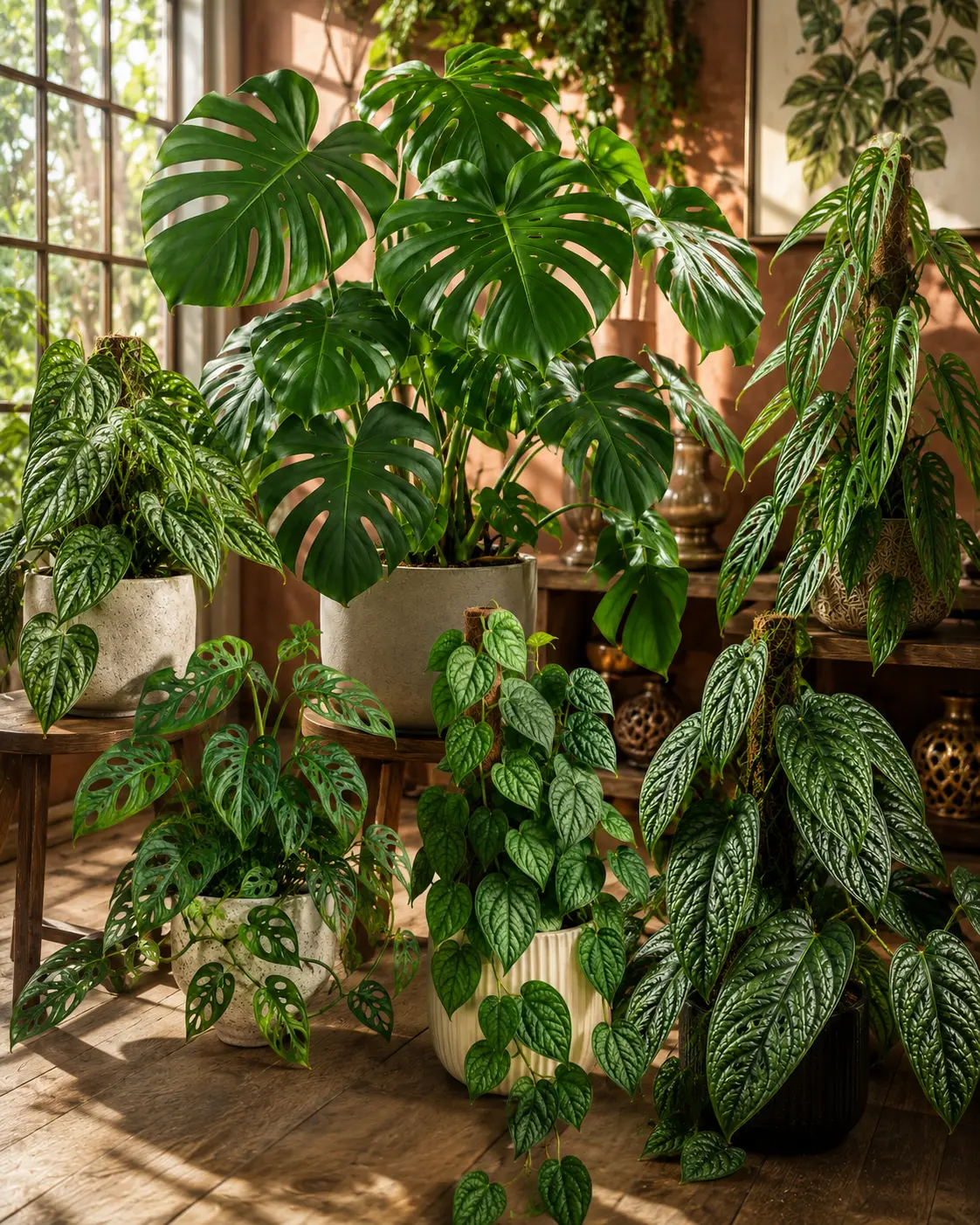
Monstera Types at a Glance
| Plant | Main Leaf Feature | Growth Habit | Care Level |
|---|---|---|---|
| Monstera deliciosa | Large splits and holes | Large climber | Easy |
| Monstera adansonii | Small oval holes | Climber or trailer | Easy |
| Monstera siltepecana | Silver young leaves | Climber | Easy to moderate |
| Monstera dubia | Flat shingling leaves | Surface climber | Moderate |
| Monstera Peru | Thick, rippled leaves | Compact climber | Easy |
| Monstera acuminata | Long, narrow leaves | Tall climber | Moderate |
What are the most common types of Monstera plants?
The most common Monstera plants include Monstera deliciosa, Monstera adansonii, Monstera siltepecana, Monstera dubia, Monstera Peru and Monstera acuminata. Each type has a different leaf shape, growth habit and indoor care need.
Which Monstera plant is best for beginners?
Monstera deliciosa is often the best choice for beginners. It can adjust well to normal indoor conditions and does not need daily care. Monstera adansonii and Monstera Peru are also fairly easy to grow.
Why does my Monstera have no holes?
Young Monstera plants often have solid leaves. A lack of bright indirect light, climbing support, or plant maturity may also delay holes. Give the plant time and place it near a bright window away from harsh direct sun.
Which Monstera type stays small indoor?
Monstera Peru and Monstera adansonii usually fit smaller indoor areas better than Monstera deliciosa. Regular pruning and a smaller support can also control their size.
What is the best soil for Monstera plants?
Monstera plants grow well in loose soil that drains quickly. A mix of indoor potting soil, orchid bark, perlite and coco coir can provide air around the roots and reduce water buildup.
Can Monstera plants grow in low light?
Monstera plants may survive in low light but their growth may slow. Leaves can stay small and fewer holes may form. Bright indirect light usually leads to healthier growth.
Do all Monstera plants need a moss pole?
Not every Monstera needs a moss pole, but most types grow better with support. A moss pole, wooden plank or trellis can help the plant climb and may lead to larger leaves.